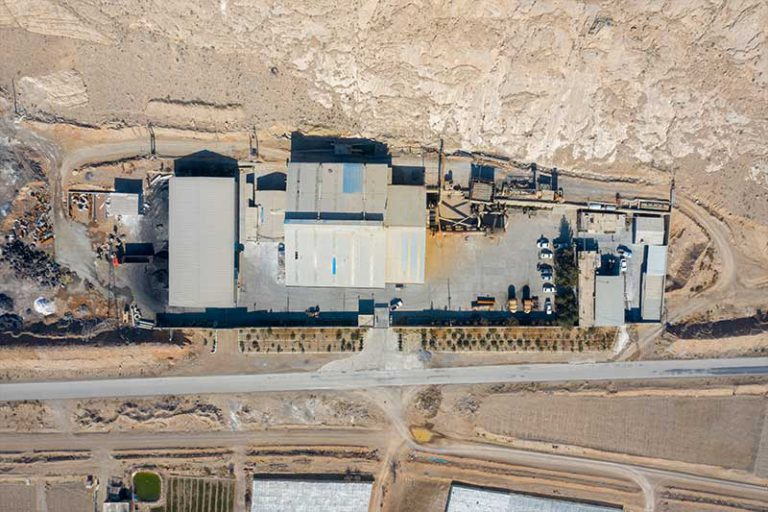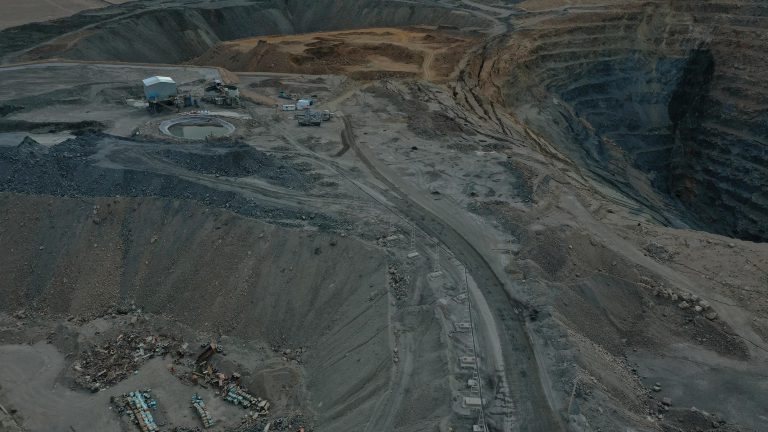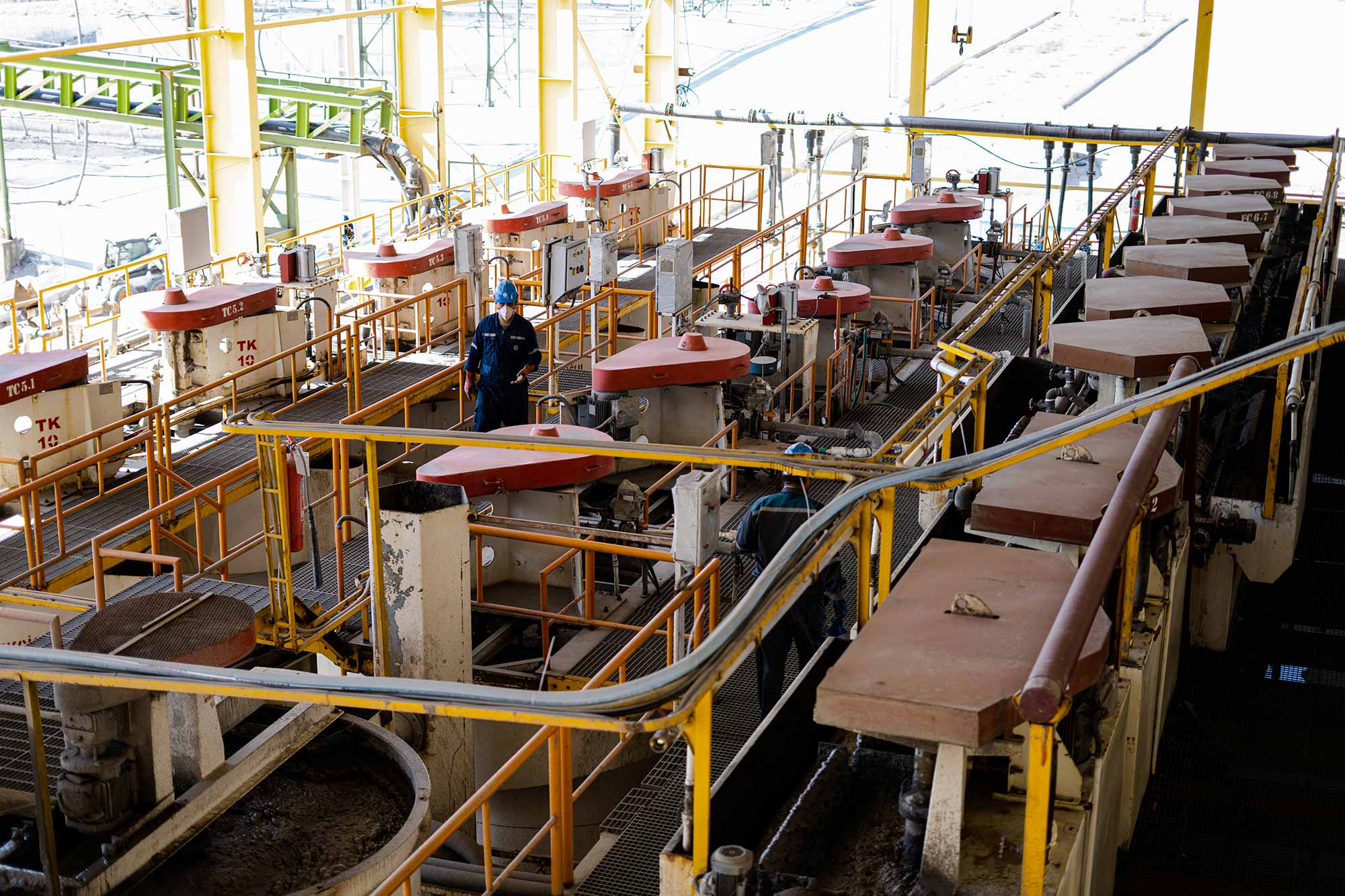
Mining activities, due to their inherently high-risk and complex nature, are among the industries with the highest rates of occupational injuries worldwide. Rockfalls, explosions, toxic gases, tunnel collapses, and environmental pollution are persistent hazards in this sector. For this reason, safety in mining is not a choice but an undeniable necessity. Today, compliance with international mine safety standards serves as a key indicator of the technical maturity and social responsibility of mining companies.
Key International Mine Safety Standards
Globally, reputable organizations have developed standards to enhance mine safety:
ILO Convention No. 176
The International Labour Organization’s Convention 176 provides a comprehensive framework for ensuring occupational safety and health in mines. Countries that ratify the convention are obliged to establish the necessary legal and operational infrastructure.
ISO 45001
This global standard offers a systematic approach to occupational health and safety management, helping organizations identify, assess, and control risks.
ICMM Standards and Guidelines
The International Council on Mining and Metals (ICMM) publishes specialized guidelines for mitigating safety and environmental risks, serving as a reference for leading mining companies worldwide.
National and Regional Standards
In addition to global standards, many countries have developed local guidelines tailored to their geological and climatic conditions—for example, the HSE regulations set by Iran’s Ministry of Industry, Mine and Trade.
Implementation Requirements for Mine Safety Standards
Systematic Safety Management
Mines must establish an integrated HSE management system covering all activities, from design and drilling to transportation and processing.
Use of Standard and Modern Equipment
Machinery and tools should be selected and maintained according to the latest international safety requirements. Worn-out equipment is a major cause of accidents in mines.
Development and Execution of Emergency Procedures
Drafting emergency response protocols (for incidents like fires, collapses, or gas leaks) and conducting regular drills are essential safety requirements.
Continuous Monitoring and Supervision
The use of modern technologies such as sensors, smart monitoring systems, and data analytics can play a critical role in accident prevention.
Continuous Training and Culture Building
Safety cannot be achieved through manuals and tools alone. Practical training, simulations, and deep-rooted safety culture among workers are key to successful implementation of standards.
Challenges in Implementing Standards in Mines
Despite its importance, full implementation of safety standards—especially in developing countries—faces several challenges:
High Costs and Economic Pressure
Establishing comprehensive safety standards requires investment in training, technology, and equipment—something many small and medium-sized mines cannot afford.
Shortage of HSE Specialists
The lack of skilled personnel in occupational health and safety is a major barrier to effective standard implementation.
Traditional Mining Culture
In some environments, traditional mining practices and normalization of risk hinder the institutionalization of safety principles.
Legal and Enforcement Barriers
Insufficient legal mandates or weak government oversight can leave standards unenforced or merely symbolic.
Strategies for Enhancing Mine Safety
The following measures are recommended to promote mine safety and meet standard requirements:
- Develop incentive and support policies for equipment and technology modernization
• Provide financial incentives for mines that successfully implement comprehensive safety systems
• Invest in training specialized human resources and establish dedicated HSE training centers
• Use modern technologies such as drones, sensors, and artificial intelligence for smart safety monitoring
• Strengthen international cooperation to leverage successful experiences from other countries
Mine safety is not only essential for protecting workers’ health, but also a fundamental prerequisite for economic sustainability, social responsibility, and building global trust. Compliance with international safety standards is an investment in a sustainable future one in which mining plays a progressive and responsible role in the global economy.