Green Spaces in Mines: Integrating Industrial Development and Environmental Protection
Mining activities, as one of the foundations of industrial development, play a crucial role in meeting the economic needs of nations. However, alongside their positive contributions, these activities pose serious environmental challenges. Establishing and maintaining green spaces in mining areas offers an effective and practical solution providing an opportunity to balance industrial progress with environmental preservation. This approach has increasingly gained attention not only in advanced countries but also in Iran’s mining sector.
Environmental Challenges of Mining
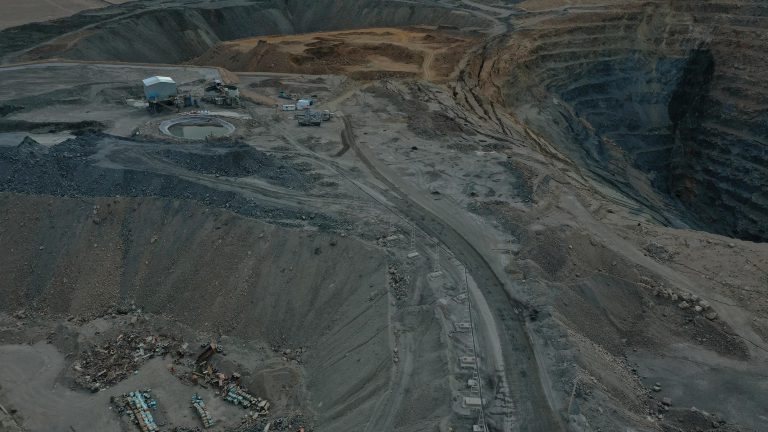
Due to its extractive nature, mining significantly impacts the surrounding environment. Destruction of vegetation cover, dust generation, alterations in land topography, accumulation of waste rock and tailings, and threats to groundwater resources are among the key challenges. If left unmanaged, these impacts can lead to biodiversity loss, soil erosion, and the degradation of local ecosystems.
The Role and Benefits of Green Spaces in Mining
Creating green spaces in mining areas is far more than a symbolic gesture — it serves vital functions:
- Reducing air pollution: Trees and vegetation help absorb dust and generate oxygen, improving air quality around the mine.
- Preventing soil erosion: Plant and tree roots stabilize the soil, protecting it from erosion caused by wind and rain.
- Enhancing visual landscapes: Green spaces improve the visual appeal of mining sites and help mitigate negative psychological effects on local communities and workers.
- Creating new habitats: Even in mining regions, planting native species can aid in restoring wildlife populations.
Strategies for Establishing and Sustaining Green Spaces
Achieving sustainable green spaces in mining areas requires careful planning:
- Selecting native and resilient species: Plants that are adapted to local climate, soil, and water conditions are the best choice for mining environments.
- Implementing efficient irrigation systems: Especially in arid mining regions, using recycled water and drip irrigation systems is essential.
- Gradual rehabilitation of waste sites: Establishing vegetation on tailings and waste rock piles requires proper bed preparation, soil enrichment, and drainage management.
- Incorporating green space into mine design: From the outset, mine planning should include designated areas for green belts and green infrastructure.
Examples of Successful Initiatives
In Iran, several major mining operations have recently established green belts alongside their activities. For instance, copper and iron projects have adopted practices such as using recycled water for irrigation and planting drought-resistant species. Globally, countries like Australia and Canada have integrated land rehabilitation and green space development as core components of their mining processes.
Creating and maintaining green spaces in mining operations presents a valuable opportunity to merge industrial development with environmental sustainability principles. This initiative not only mitigates environmental harm but also enhances the mining sector’s social image and fosters positive relationships with local communities. It is time for conscientious mining leaders to view green space development not as a cost, but as an investment in the future.