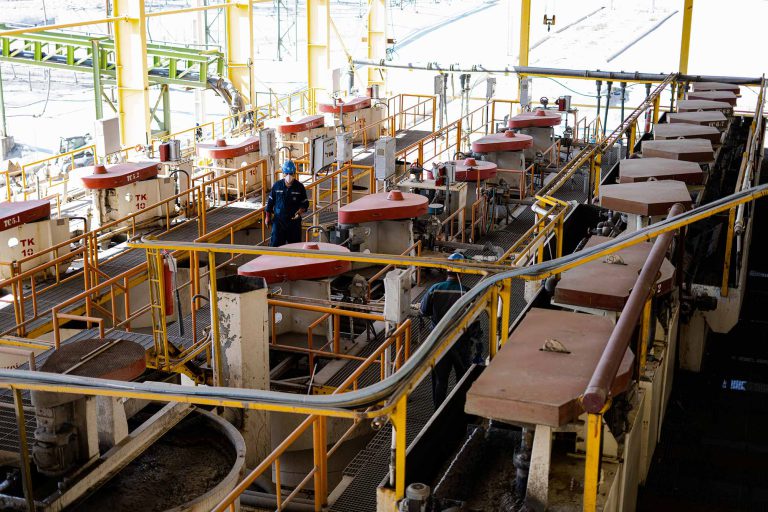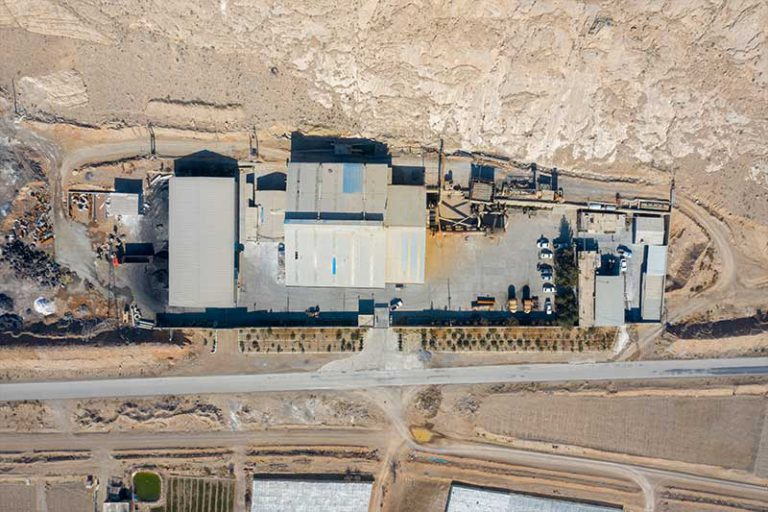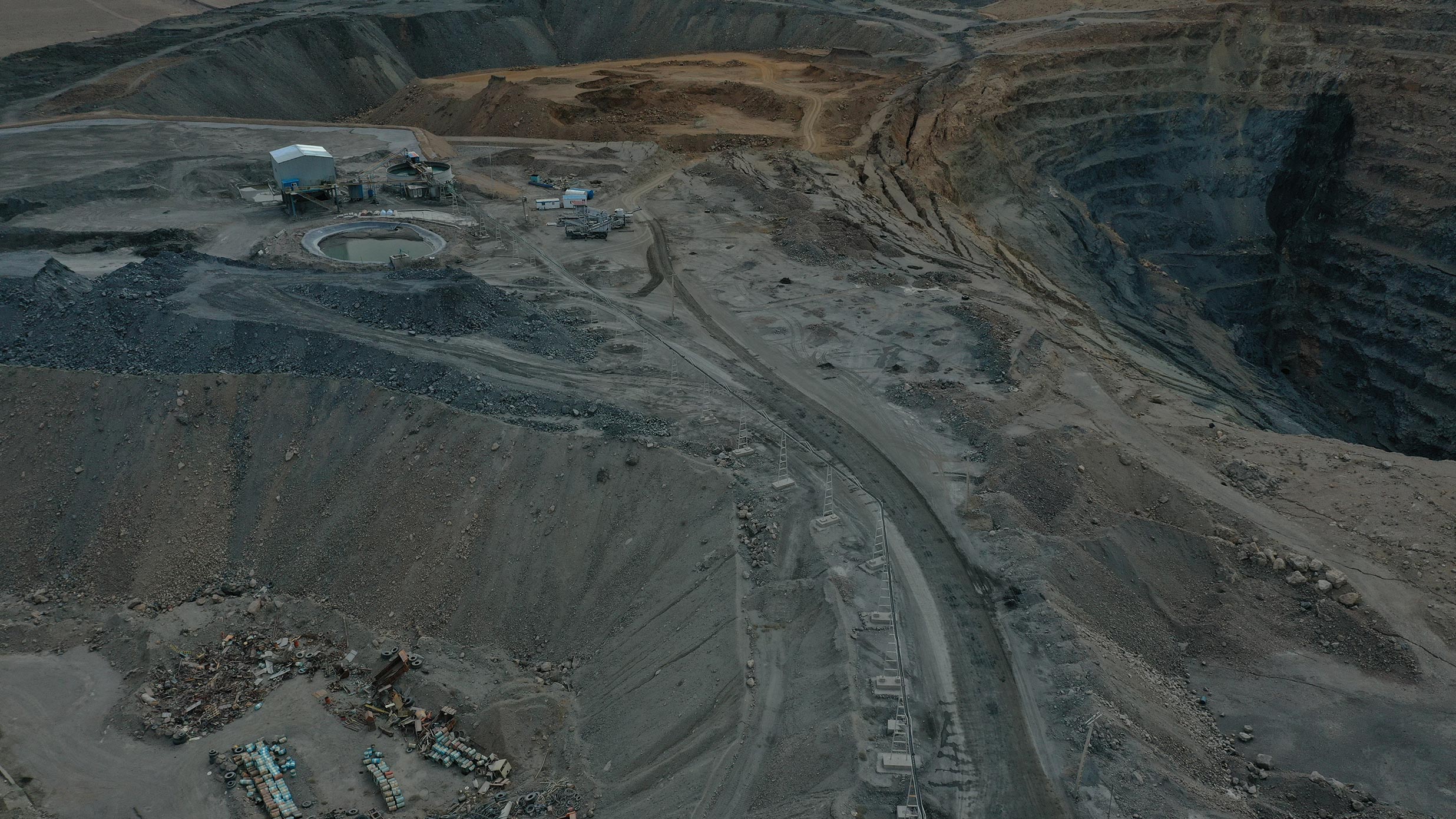
The global mineral supply chain is the lifeblood of industries worldwide. From steel and copper production to advanced sectors like automotive manufacturing and cutting-edge technologies, all rely on a stable and continuous supply of minerals. Countries endowed with rich mineral reserves hold a special position in this chain and, through smart resource management, can contribute to domestic economic growth while playing an influential role in the global economy. Iran, with its significant diversity of mineral resources and unique geopolitical position, holds substantial potential for a stronger presence in this global supply network.
Iran’s Mineral Capacities
Iran ranks among the world’s top 10 mining countries. Its vast reserves of copper, iron ore, lead, zinc, chromite, gold, coal, and decorative stones represent just part of the nation’s mining strength. Particularly in base metals, Iran possesses deposits capable of meeting a significant portion of global demand. Furthermore, Iran’s location along key international transport corridors offers a unique opportunity to connect with major markets across Asia, Europe, and Africa.
Iran’s Role in the Global Supply Chain: Opportunities and Realities
Despite its remarkable capacities, Iran’s share in the global mineral supply chain has yet to match its true potential. While some resources like iron ore, copper, and lead have entered export markets, barriers such as limited infrastructure, logistical challenges, economic sanctions, and gaps in processing technology have positioned Iran primarily as a raw material supplier rather than a player in higher-value segments of the chain.
That said, the growing global demand for minerals — driven by industries such as battery manufacturing, renewable energy, and digital technologies — presents new opportunities for countries like Iran. The world’s increasing need for metals like copper, nickel, cobalt, and rare earth elements is a call for Iran to secure a larger share of this market through precise planning.
Challenges Facing Iran’s Mines in the Global Chain
Technology and Technical Expertise
Many Iranian mines still rely on outdated machinery and traditional methods, leading to lower productivity, higher costs, and difficulty competing with major global players.
Sanctions and Trade Restrictions
Economic sanctions have limited Iran’s ability to participate effectively in global markets and access modern technologies, constraining exports and international collaborations.
Transport and Energy Infrastructure
The lack of standard rail and road infrastructure and challenges in securing reliable water and electricity supplies for mining operations are significant obstacles to Iran’s advancement in the global supply chain.
Incomplete Value Chain Development
The absence of advanced processing industries has left Iran largely an exporter of raw materials, while the primary value-added benefits are generated in the higher segments of the chain.
Solutions and Outlook
Several measures could help elevate Iran’s position in the global mineral supply chain:
- Invest in modern technologies and upgrade mining equipment
- Develop downstream industries and processing sectors to create domestic value-added
- Improve logistical infrastructure, especially by expanding export corridors
- Strengthen regional and international partnerships to bypass sanctions and attract technical know-how
- Enhance environmental policies to align with global standards
If pursued cohesively and with national determination, these strategies could enable Iran to play a more pivotal and sustainable role in supplying the minerals essential to global industries.
With its resource diversity, rich deposits, and strategic geographic location, Iran’s mining sector holds great potential to become a major player in the global supply chain. Achieving this status, however, requires a long-term, development-focused, and scientific approach — one that views technology development, infrastructure enhancement, processing capacity, and international engagement as the pillars of success in this vital industry.